Wedding Video Shot List: 36 Moments to Film
November 17, 2026 · Luv Film Co
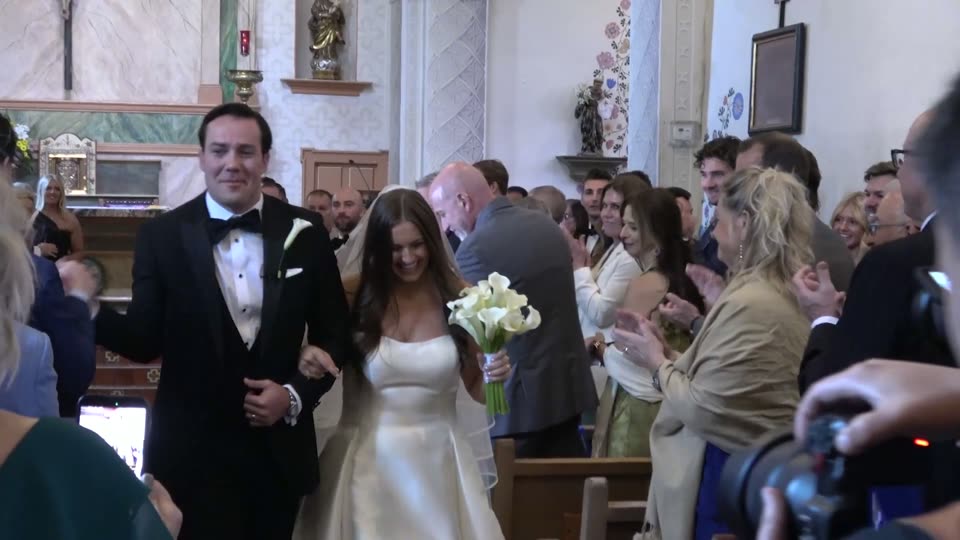
A good wedding video shot list is not a script. It is a short, shared memory aid that makes sure the moments you care about most actually end up on camera, whether your footage comes from a hired videographer, a few friends with camcorders, or a mix of both.
This guide gives you a practical list of moments to film, organized by the flow of a typical wedding day, plus tips for assigning shots, keeping the list short enough that people will use it, and making sure all that footage becomes a finished film.
Why a wedding video shot list matters
Weddings move fast. The processional takes a couple of minutes, toasts run long or short, and the best laugh of the night can happen while everyone is looking somewhere else. A shot list does three things:
- It protects the must-haves. Vows, the kiss, the first dance and toasts are the moments couples tend to rewatch most. A list makes sure someone is ready for each one.
- It spreads the work. When different people own different moments, nobody has to film all night, and you get more angles.
- It helps the edit. Footage that covers the arc of the day, from getting ready to the send-off, is much easier to shape into a story than a pile of random clips.
If guests are doing the filming, a shot list is even more useful. Friends want to help; they just need to know what you want. Our guide on how to get guests to film your wedding covers who to ask and how to ask them.
Before the ceremony: getting ready
The morning is where a wedding video finds its personality. It is relaxed, a little chaotic, and full of people you love.
- Details: the dress or suit hanging up, rings, shoes, invitations, flowers.
- Hair and makeup in progress, including the candid chatter in the room.
- The getting-ready playlist and anyone dancing to it.
- Buttoning, zipping, tying the tie, putting on jewelry.
- A parent or close friend seeing the couple dressed for the first time.
- Letters or gifts being exchanged and read.
- A first look, if you are doing one, filmed from a distance first and then closer.
- Quick messages to the camera from the wedding party: one sentence each is plenty.
Tip: Ask your filmer to hold each shot for at least five to ten seconds. Short, jumpy clips are the most common problem with guest footage.
The ceremony shot list
The ceremony is the part of the day most couples rewatch, so this is where you want your steadiest filmer and a clear plan.
- Guests arriving and finding seats.
- The venue before it fills: the aisle, the altar, the view.
- The partner waiting at the front, especially the moment they first see their person.
- The processional: wedding party, flower kids, and the entrance.
- The full vows, filmed without stopping. This is the one shot that should never be cut short.
- The ring exchange, close enough to see hands.
- Readings and any family or cultural traditions.
- The kiss.
- The recessional and the first few seconds after, when the couple usually exhales or laughs.
- Guests cheering, tossing petals, or hugging as the couple walks out.
Placement tip: Put one person near the front, off to the side, so they can see faces during vows. If you have a second camera, place it at the back or along the aisle for a wide view. With two angles, the edit can cut between faces and the room.
Cocktail hour and portraits
This part of the day is easy to forget, and it is often where the most natural moments happen.
- Guests mingling, drinks being poured, the lawn games.
- Grandparents and older relatives talking with the couple.
- Short messages from guests to the couple. Keep them quick and casual.
- Behind-the-scenes clips of photos being taken.
- The couple stealing a quiet minute together, if they want it filmed.
Reception: entrances, toasts and dances
The reception is where camcorder-style footage really shines, because a guest with a camera can be right in the middle of the celebration.
- The room set-up before guests come in: tables, cake, lighting.
- Grand entrance of the wedding party and the couple.
- Every toast, filmed from start to finish, with the camera on the speaker and an occasional pan to the couple reacting.
- The first dance, filmed in full.
- Parent dances.
- Cake cutting.
- Bouquet and garter toss or any other traditions you are doing.
- The dance floor filling up for the first time.
- Close-up dance floor chaos: the friend group, the conga line, the song everyone screams.
- Quiet moments at the edge of the room: a grandparent watching, kids asleep on chairs.
Audio tip: For toasts, the filmer should stand close enough to the speaker or a speaker system to capture clear sound. Cameras with built-in microphones do best within a few steps of the person talking.
The end of the night
- The last dance.
- The send-off: sparklers, bubbles, or a walk to the car.
- A final clip of the empty room or the couple driving away.
That is 36 moments. You do not need every one. Circle the ones that matter to you and cross out the rest.
How to turn the list into an actual plan
A long list that lives in your notes app does not help anyone. Here is how to make it usable on the day.
Keep it to one page
Pick your must-have moments, usually 10 to 15, and put them on a single page. Mark the non-negotiables, like vows and toasts, so everyone knows what matters most.
Assign moments, not hours
Instead of asking one person to film all evening, give each filmer a few moments. For example:
| Filmer | Moments |
|---|---|
| Maid of honor | Getting ready, first look, letters |
| Cousin | Full ceremony from the front |
| College friend | Toasts and first dance |
| Brother | Dance floor and send-off |
Everyone gets to enjoy the wedding, and you still get coverage across the whole day.
Share the timeline
Send your filmers the day's schedule with the list. Most missed moments happen because someone did not know the cake cutting was about to start.
Expect surprises
Some of the best footage will be things you never thought to put on a list. Encourage filmers to keep rolling during unplanned moments: a speech that goes sideways, a grandparent on the dance floor, rain at the reception.
Common mistakes to avoid
- Stopping and starting too often. Hold each shot longer than feels necessary.
- Filming vertically on a phone. Horizontal footage edits much better into a wedding film.
- Zooming in and out constantly. Walk closer instead.
- Filming from too far away during toasts. Sound matters as much as picture.
- Nobody owning the edit. A great list still ends with hours of clips unless someone turns them into a film.
What happens to the footage afterward
This is the step most shot lists ignore. Once the wedding is over, someone needs to watch every clip, pick the best moments, sync them to music, and shape them into something you will want to rewatch.
If you hire a videographer, editing is usually part of their package. If friends are filming, plan the edit before the wedding. Every Luv Film Co camcorder package includes professional editing, so your guests film from your list and our team turns the footage into a highlight film. You can read exactly what that involves in our wedding video editing service guide.
Andrew and Jenny, who run Luv Film Co, have spent 11 years as luxury wedding filmmakers. The shot list above is close to the one they would build for a full-day shoot, trimmed so non-professionals can follow it.
Choosing coverage for your shot list
The length of your list should match your coverage. A single camera handles a focused list well: ceremony, toasts and first dance. Two cameras let you cover the getting-ready rooms separately or film the ceremony from two angles.
Luv Film camcorder packages are $779 for Single, $997 for Standard with two cameras, and $1,296 for Deluxe, which adds bachelorette-weekend coverage. There is also a $497 iPhone Film option for couples who would rather have guests use their phones. Editing is included in every package. To see how those options compare with hiring a videographer, read our wedding camcorder rental cost breakdown.
Wedding video shot list FAQ
What should be on a wedding video shot list?
At minimum: getting ready, the processional, full vows, the ring exchange, the kiss, the recessional, toasts, the first dance, parent dances, and the send-off. Add details, guest messages and dance floor moments if you have the coverage.
How long should a wedding video shot list be?
Short enough to fit on one page. Ten to fifteen must-have moments is a good target. A longer list is fine as a reference, but filmers need a short version they can actually follow.
Do videographers need a shot list?
Experienced videographers know the standard moments, but they still benefit from a list of what is unique to your day: a family tradition, a surprise performance, or specific people you want filmed.
Can guests follow a wedding video shot list?
Yes, especially if each guest is assigned a few specific moments instead of the whole list. Give them the timeline and remind them to hold each shot for several seconds.
What is the most important moment to film at a wedding?
For most couples, it is the vows. Film them start to finish without stopping, from a spot where faces are visible and audio is clear.
Who edits the footage from a shot list?
If you hire a videographer, they do. If guests film, you will need someone to edit. Every Luv Film camcorder package includes professional editing, so guest footage becomes a finished film.
Ready to put your list to work?
Print your list, hand it to your favorite people, and let them capture the day from the inside. When you are ready to choose cameras, see how Luv Film Co works and pick the package that fits your crew. For more planning ideas, our camcorder wedding video guide shows what the finished style looks like.
Ready to film your own wedding?
Reserve your cameraMore from the Journal
Wedding Highlight Video: What It Is & How to Get One
Learn what a wedding highlight video is, how long it should be, what moments to include, and how guests can film it while pros handle the edit.
Elopement Videography: How to Film Your Small Wedding
Do you need a videographer for an elopement? Compare your options, see what to film, and learn how to get a real film of your small wedding.